⊕ About Warburton · Yarra Valley
Forests, food,and a long memory.
An hour east of Melbourne the valley narrows, the mountains close in, and the river takes over. Warburton sits in the middle of it — a small town with a big history of timber, gold, weekenders and the people who stayed.
Photo: Warburton Adventure Co
⊕ The valley
Shaped by mountainsand the river.
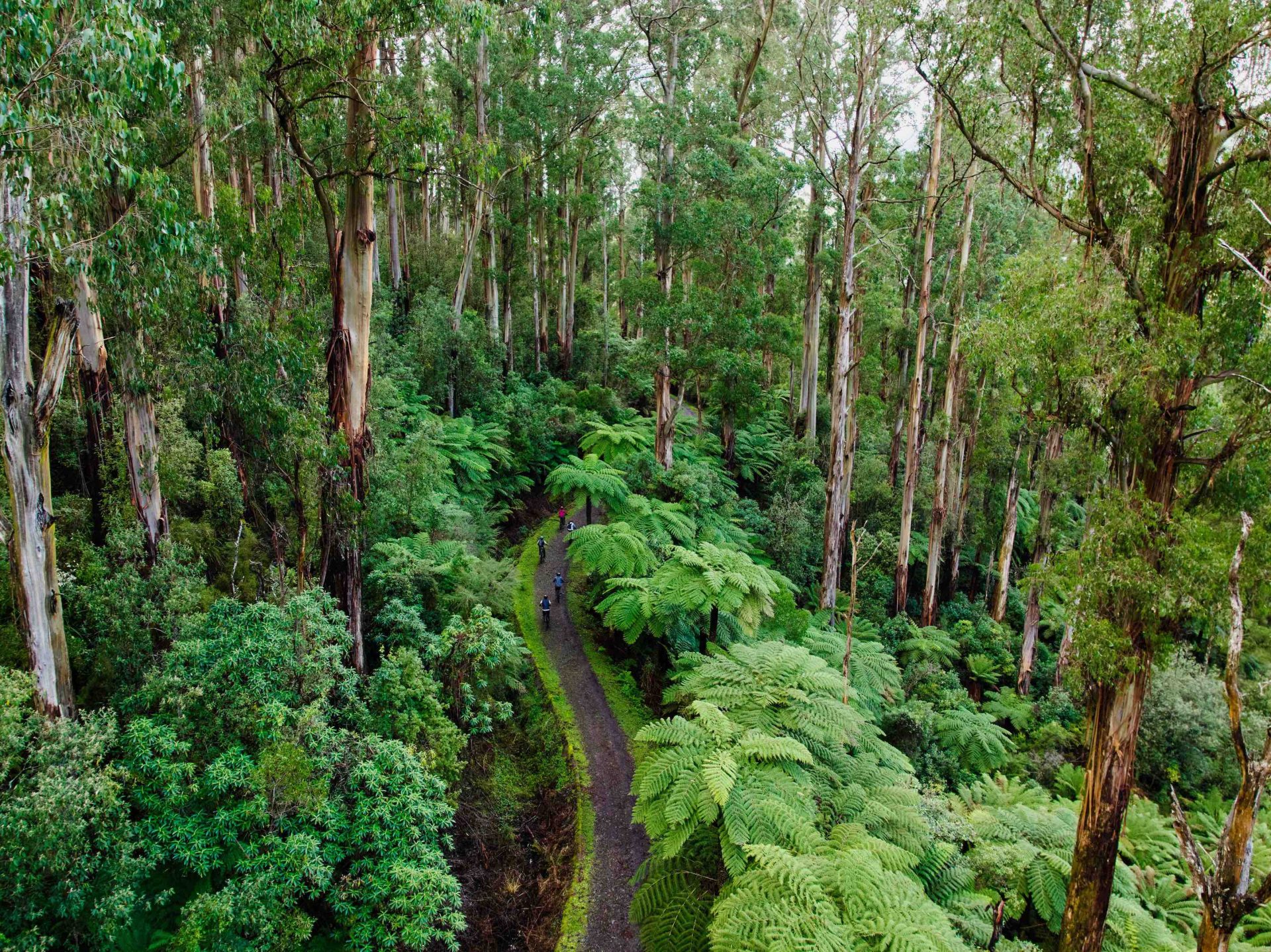
The Warburton area is a vital ecosystem — cherished for its biodiversity and recreation, with a thriving food scene and a history that weaves through forests and fields. The past of timber and the present of food sit side by side here, in harmony.
75 km
East of Melbourne
1,250 m
Mt Donna Buang summit
~2,800
People call it home
1863
Town named
⊕ The country
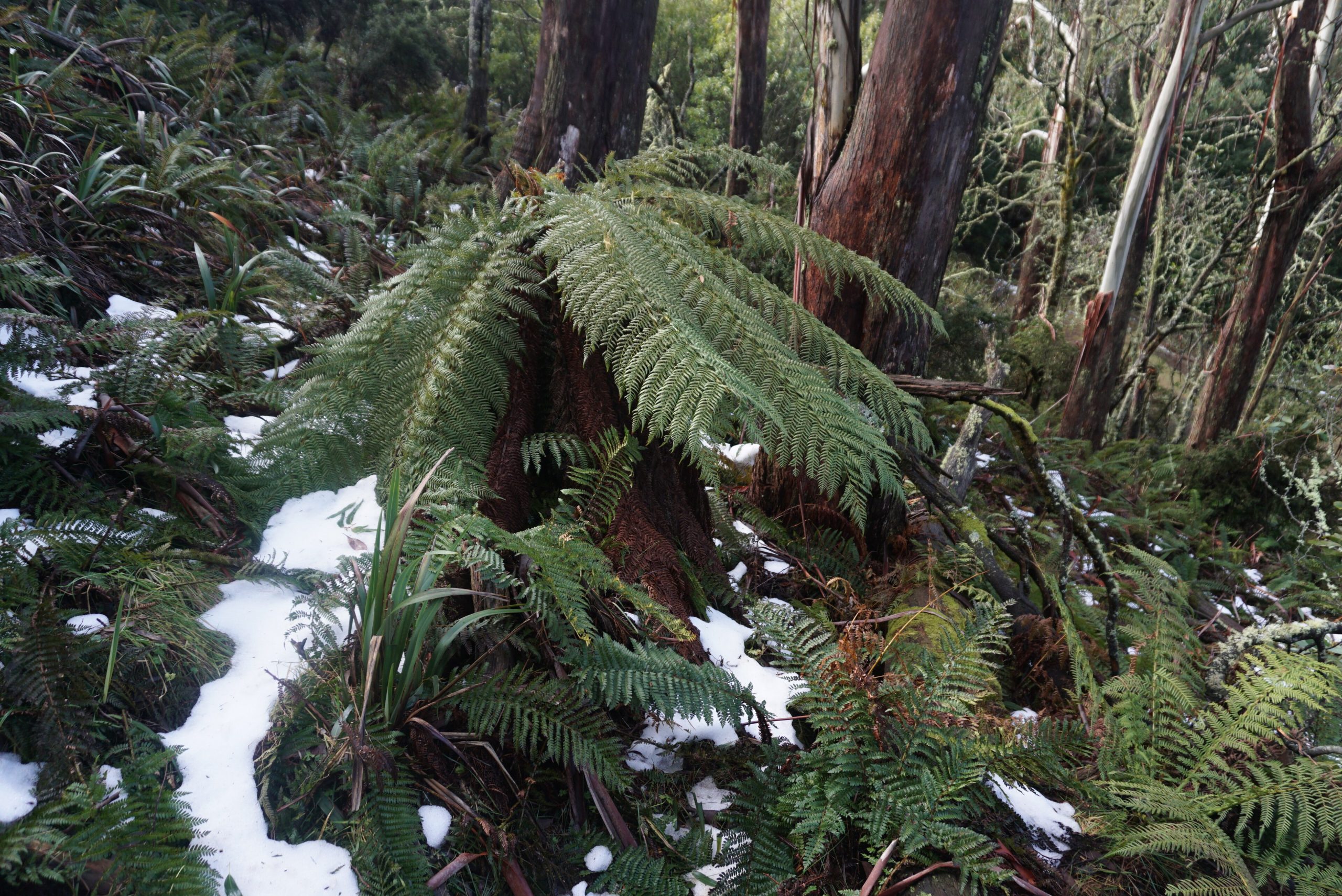
What it looks like.
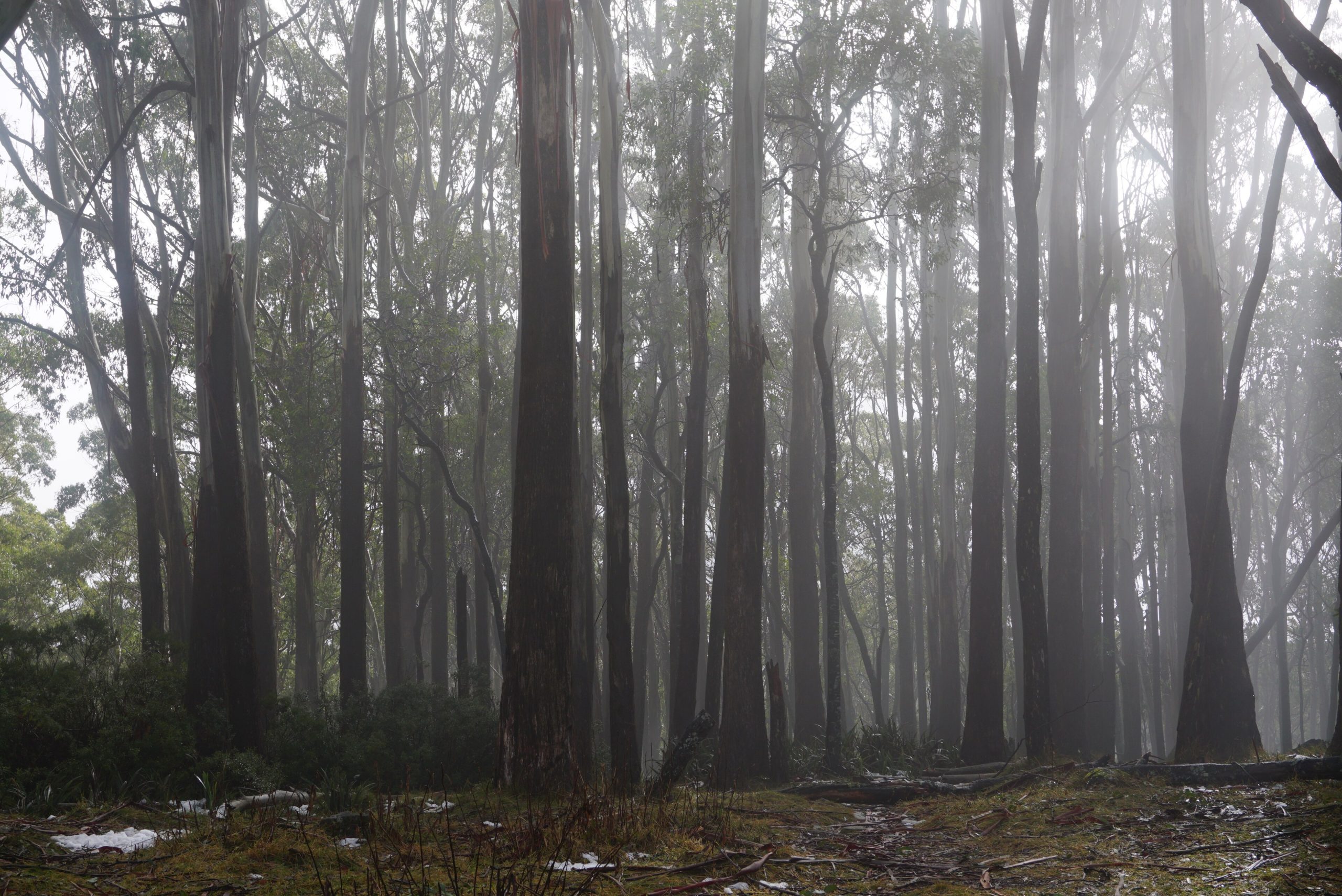
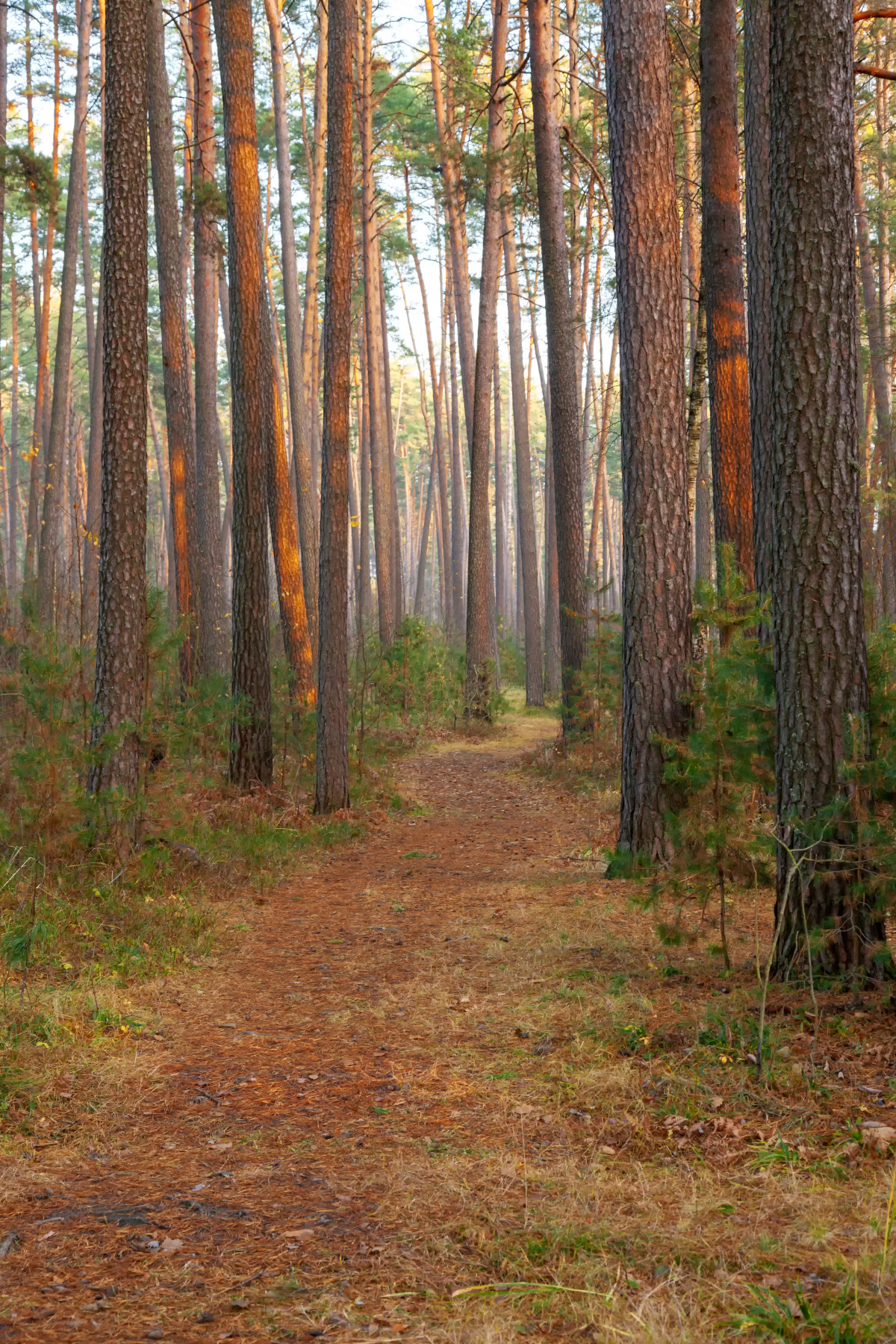
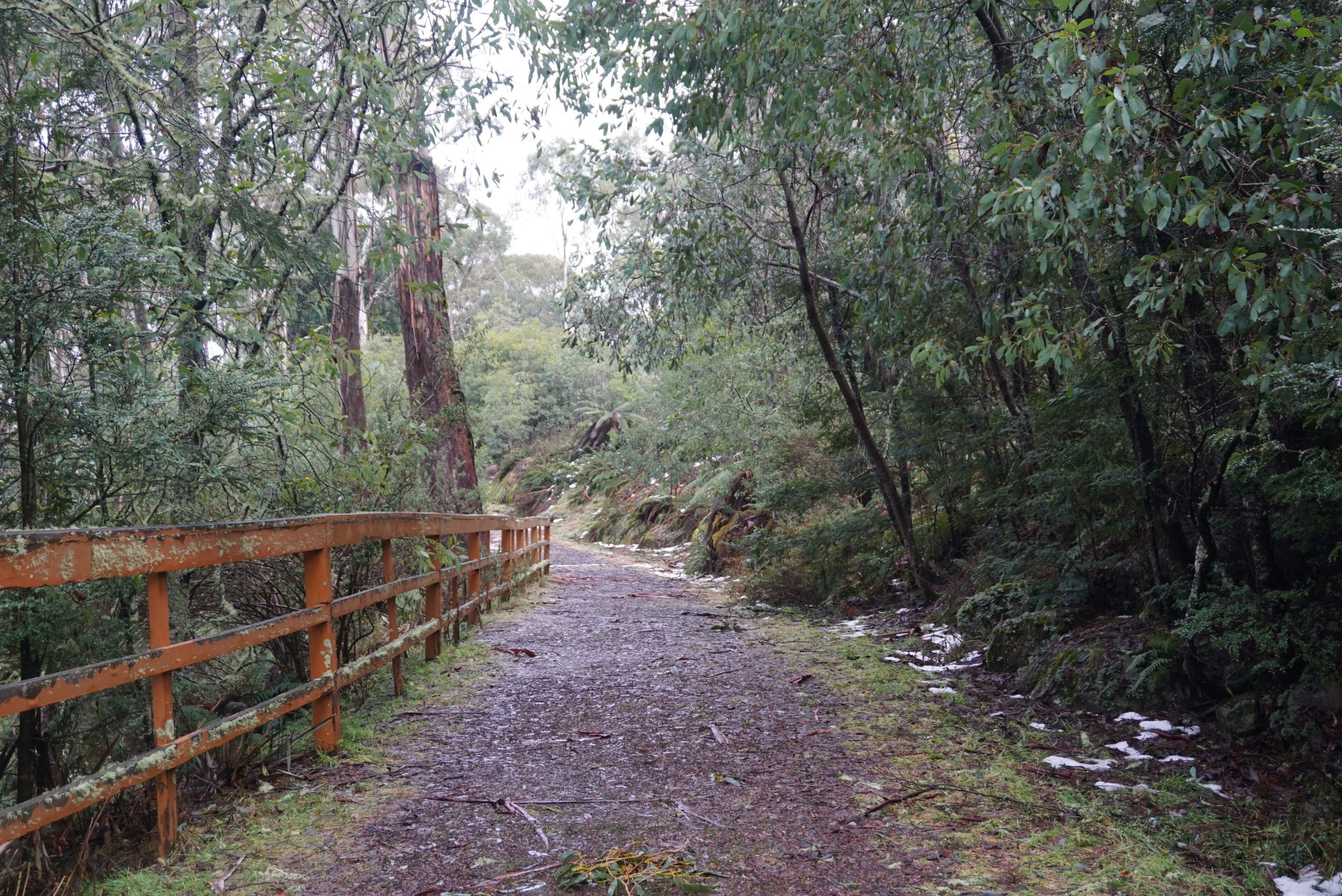
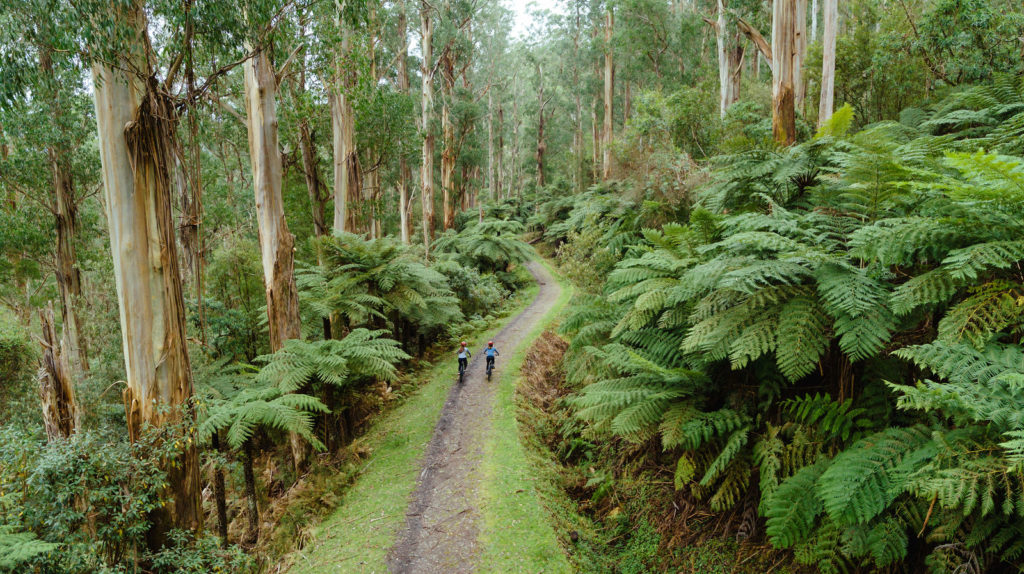
⊕ A short history
Four chaptersthat made the place.
01 / FIRST PEOPLES
Long before the survey lines
Before Melbourne was founded in 1834, the Upper Yarra was the country of the Wurundjeri-willam, part of the Woiwurrung-speaking Yarra Yarra people. The valley was abundant — eels in the river, possum and wallaby in the forest, fern root, daisy yam, murnong.
By 1845, Surveyor General Robert Hoddle was mapping the upper river and naming creeks after himself. The land was taken up for grazing within a decade.
02 / GOLD
A rush, then a town
Gold turned up at Britannia Creek in the 1850s. The Yankee Jim’s Creek goldfield opened in 1859 and was renamed Warburton in 1863, after Charles Warburton Carr — Gold Warden for the district. EJ Buller got the first liquor license a year later.
It was alluvial gold mostly — a two-foot wash of gravel seventy feet down, sitting on granite, with seven-ounce nuggets in it. By 1870 a waterwheel was driving the stamp battery at the Shining Star mine. By the late 1890s the easy gold was gone and the prospectors moved on to Woods Point.
03 / TIMBER
When the trains came up the valley
Where gold ran out, timber took over. Axemen cut palings and carted them down rough bush tracks to the railhead at Lilydale. In 1901 the railway was extended all the way to Warburton — and the sawmills bloomed.
Steam and diesel hauled logs to the mills along narrow-gauge tramways (called tramways because an Act of Parliament wouldn’t let private operators run a railway). In the steepest country, cables and pulleys lifted logs up to the lines; horses dragged empty bogies back uphill. Towns like Powelltown grew up around the mills.
04 / TODAY
A quiet town that people keep finding
The trains stopped running in 1965. The guesthouses that once met the Melbourne weekenders at the platform are mostly gone, but the rail corridor became the Warburton Trail and the town’s pull on the city never really faded.
Today there are pubs and cabins and B&Bs, a brewery, a sourdough bakery, a yoga retreat, a bike park. There’s a permanent community of a few thousand people who love the place — and a steady drift of city people coming up at weekends to walk the river, eat well, and look at the mountains.
⊕ Plan your visit
Start somewhere.
⊕ Get in touch
Tell ussomething.
Got something to add, ask, correct, or recommend? We’re a small local team and we read every note.